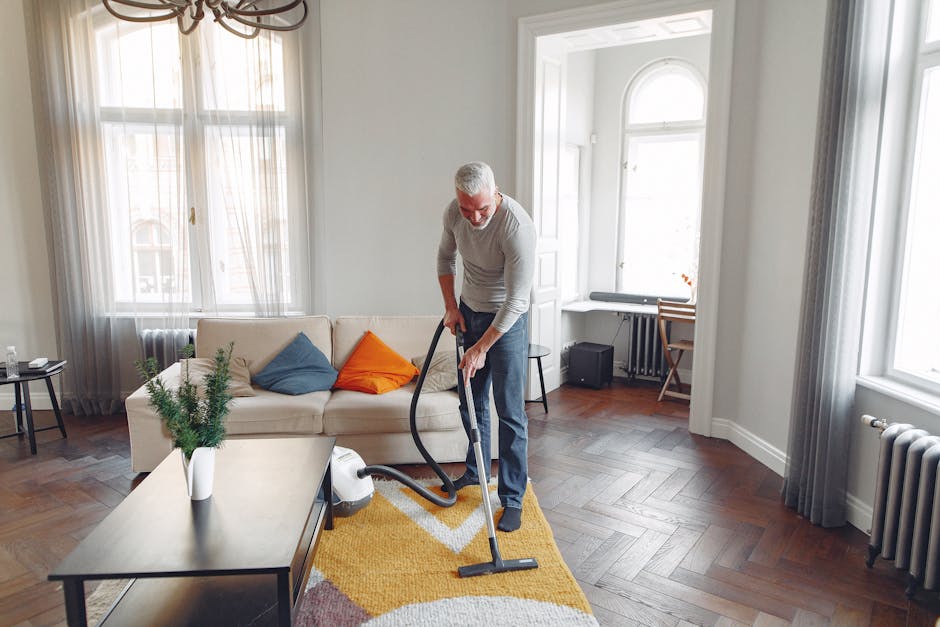
Richmond Hill carpet cleaning guide for period homes TW9
Period homes in Richmond Hill have a certain character you can almost feel the moment you step inside: worn stair treads, thick skirting boards, older timber floors, maybe a faint trace of polish in the hallway and a carpet that has seen a few seasons of family life. That charm is exactly why carpet care needs a bit more thought here. This Richmond Hill carpet cleaning guide for period homes TW9 is for anyone who wants cleaner carpets without upsetting delicate fibres, historic finishes, or the general calm of an older house.
In practical terms, the job is not just "clean the carpet." It is about matching the method to the age of the property, the construction of the carpet, the type of stain, and how quickly the carpet can dry in a home that may have draughts, thick walls, or tricky access. Get that right and the results are quietly excellent. Get it wrong and you can end up with shrinkage, tide marks, lingering damp, or fibres that feel rougher than before. Not ideal, obviously.
This guide walks you through what matters, how professional cleaning usually works, what to avoid, and how to judge the safest approach for your home. You will also find a practical checklist, a comparison table, and a few real-world notes that make the decision a lot easier.
- Why it matters in TW9 period homes
- How the cleaning process works
- Benefits and practical advantages
- Who needs this and when it makes sense
- Step-by-step guidance
- Expert tips for better results
- Common mistakes to avoid
- Tools, resources and recommendations
- Law, compliance, standards and best practice
- Methods comparison
- Real-world example
- Practical checklist
- Conclusion
- Frequently asked questions
Why Richmond Hill carpet cleaning guide for period homes TW9 Matters
Period homes are not just older versions of modern houses. They often have different materials, older subfloors, tighter staircases, more fragile thresholds, and carpets that may have been fitted over time rather than as part of a neat, standard layout. That changes how cleaning should be planned.
In TW9, many homeowners are balancing practicality with preservation. The carpet may be a relatively new replacement, but the house itself might be Victorian or Edwardian, and the surrounding finishes can be sensitive. Water that is fine on a modern ground-floor flat can be a nuisance in a period property with cold corners and slow drying. And if the carpet is original to the room layout, or laid over older boards, you need to be more cautious with saturation.
Why does that matter? Because carpet cleaning is never only about appearance. It also affects indoor air quality, odour control, fibre life, and how the room feels day to day. A cleaner carpet can take a room from slightly heavy and lived-in to bright and calm in a single morning. You notice it when you walk in. The room smells fresher, the pile lifts, and the space feels looked after.
There is also a practical side. Period homes often collect dust in edges, under furniture, and along stairs. If you have pets, children, guests, or high footfall, grime settles more quickly than you might expect. A good cleaning plan helps prevent the build-up that becomes much harder to shift later.
How Richmond Hill carpet cleaning guide for period homes TW9 Works
The safest approach begins with inspection. Before any cleaning starts, you want to understand the carpet type, the age and condition of the pile, whether there are signs of past water damage, and what is actually sitting in the fibres. A quick look tells you a lot. A proper assessment tells you the rest.
For period homes, the process is usually more careful than a standard one-size-fits-all clean. In many cases, a technician will test a small area first, especially if there is wool, blended fibre, antique edging, or colour that might bleed. The aim is to choose a method that removes soil without over-wetting the carpet or stressing the backing.
Most professional cleans include some version of the following:
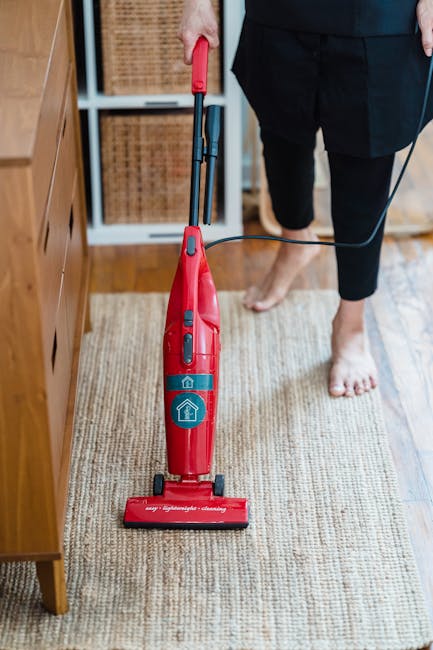
- dry soil removal with thorough vacuuming
- spot testing on stains and traffic marks
- pre-treatment of soiled areas
- controlled extraction or low-moisture cleaning
- edge and stair attention, where needed
- final grooming so the pile dries neatly
If steam cleaning is used, it should be done with care. Many people use the term loosely, but what matters is controlled hot-water extraction, not simply blasting a carpet with heat and hoping for the best. On period carpets, less water is often better, provided the clean is still thorough. That balance is the whole game.
For homes with mixed surfaces, it can make sense to combine carpet care with related services. For example, if a hallway also has original wood or stone flooring, it may be worth looking at hard floor cleaning alongside the carpet work. It keeps the overall look consistent, and to be fair, it saves time later.
Key Benefits and Practical Advantages
The benefits of careful carpet cleaning in a Richmond Hill period home go beyond "looks better." Here is what you typically gain when the job is done properly.
- Better appearance: old traffic lanes, dull patches, and shadowy areas lift visibly.
- Fresher indoor feel: carpets hold onto dust, cooking smells, pet odours, and general house air over time.
- Longer carpet life: grit acts like sandpaper. Removing it helps reduce wear.
- More comfortable living: the pile feels softer and rooms feel less stale.
- Improved stain control: treating spills quickly stops them becoming permanent reminders.
- Better presentation: useful for viewings, rental inspections, family visits, or simply a reset after a busy season.
There is also a quieter benefit that people notice later: the house feels calmer. A clean carpet underfoot changes how the whole room reads. It is not flashy, just satisfying. Especially in older homes where every surface seems to carry a bit of history.
If you want a deeper clean for the rest of the property at the same time, a broader deep cleaning visit can be a sensible add-on, particularly after renovation, a busy winter, or a stretch where the house has simply had enough.
Who This Is For and When It Makes Sense
This guide is especially useful if you live in a period property in TW9 and any of the following sound familiar:
- your carpets are wool, wool-blend, or otherwise delicate
- the house has older floors underneath the carpet
- you have stair carpets that see heavy daily use
- there are pets, children, or frequent visitors
- you are preparing for a move, sale, or rental handover
- there are stubborn spots from coffee, wine, mud, or pet accidents
- the carpet smells slightly damp or tired even after vacuuming
It also makes sense if you are simply trying to protect the home's character. Period homes often look wonderful but punish neglect gently and consistently. Dirt does not always show immediately, which is exactly why people leave it too long. Then one day the stairs feel flat, the hallway looks tired, and you wonder when that happened. Usually, not overnight.
If the carpet is part of a larger domestic upkeep plan, a regular schedule can help. Some homeowners pair periodic carpet care with regular cleaning so that dust, surface grime, and fibres are managed together rather than left to build up.
Step-by-Step Guidance
Here is a sensible way to approach carpet cleaning in a period property without overcomplicating it.
- Identify the carpet and the room conditions. Check fibre type, age, and any weak areas near joins, stairs, or thresholds.
- Vacuum thoroughly first. Dry soil is easier to remove before any moisture enters the pile.
- Spot test visible stains. This matters more in older homes because colours and backings can behave unpredictably.
- Choose the least aggressive method that still solves the problem. Low-moisture cleaning may be better for some carpets; extraction may be better for others.
- Pre-treat trouble spots carefully. This includes pet accidents, food spills, and dark foot-traffic marks.
- Clean in controlled sections. Especially on stairs and landings, where runoff or over-wetting can cause trouble.
- Dry the carpet properly. Open windows where safe, use airflow, and avoid moving heavy furniture back too quickly.
- Groom the pile and check edges. This helps the carpet dry evenly and look finished rather than patchy.
A quick story, because it happens a lot: a homeowner in an older Richmond Hill terrace once assumed the hallway carpet just needed "a bit of a blast." It looked clean for a day, then dried with a faint outline where the stain had been and a slightly stiff patch near the edge. Nothing dramatic, but enough to be annoying. The fix was much slower and more careful. That is the thing with older homes. Gentle often beats brute force.
Expert Tips for Better Results
The details make the difference, and in period homes they make all the difference.
- Go easy on water. More moisture is not automatically more clean. In older properties, over-wetting can create slow drying and smell problems.
- Watch the weather and the room temperature. A damp December afternoon in TW9 is not the same as a bright dry morning. Drying time will vary.
- Lift furniture carefully. Heavy furniture can leave dents or transfer rust and wood stain if the carpet is still damp.
- Treat stains as stains, not as general dirt. Coffee, wine, candle wax, pet mess, and mud need different handling.
- Consider the whole pathway. Hallways, stairs, and landings often fail first because they get the worst of daily foot traffic.
- Don't rush the finish. If a carpet still feels clammy, give it more time. Rushing is how a good clean turns into a mediocre one.
Another useful tip: if you have delicate upholstery near the carpeted area, think about the room as a whole. A dusty sofa or heavily used armchair can undo the fresh feeling fast. That is where upholstery cleaning can complement the work, especially in sitting rooms with older fabrics and soft furnishings.
And yes, sometimes the best advice is simply to stop at the right point. Not every mark needs heroic treatment. Some of them just need intelligent treatment.
Common Mistakes to Avoid
Most carpet problems in period homes are caused by well-meant mistakes. A few are very common.
- Using too much water. This can soak the backing, lengthen drying time, and create rippling.
- Scrubbing aggressively. Friction can distort fibres, especially in older or wool-rich carpets.
- Ignoring the underlay or subfloor condition. A carpet may be the visible part of a bigger issue.
- Leaving stain treatment too late. The longer a spill sits, the more it bonds with the fibre.
- Using the wrong product on a small area. Colour fade or fibre damage can happen fast, then you are stuck with a worse problem than the original stain.
- Rearranging furniture too quickly. Damp carpet and heavy legs do not mix well.
To be fair, these mistakes are easy to make if you are trying to sort the house out in a hurry. But a little patience saves a lot of grief.
Tools, Resources and Recommendations
You do not need a van full of equipment to make a sensible start. In many homes, the basics matter most.
- Good vacuum cleaner: preferably with adjustable height and a brush setting suitable for the carpet pile.
- White cloths or microfibre pads: useful for blotting without transferring dye.
- Gentle spot treatment: always test first.
- Fan or airflow plan: especially useful in cooler months.
- Protective tabs or pads for furniture legs: they help prevent marks while drying.
If the carpet problem is stubborn or the home has mixed needs, it can be worth looking beyond the carpet alone. In older Richmond Hill homes, staircases, hallways, curtains, and sofas often age together in the same room. A combined approach can make the whole property feel refreshed rather than patchworked.
For example, if dust and odour have spread through a living room, pairing the carpet work with sofa cleaning or curtain cleaning may give a much better overall result than cleaning just the floor covering.
If you are comparing providers, it is reasonable to ask about pricing and quotes, the cleaning method they plan to use, how they handle delicate fibres, and what drying expectations you should realistically have. The answer should feel clear, not slippery.
Law, Compliance, Standards and Best Practice
For most homeowners, this topic is less about legal complexity and more about responsible practice. Still, a few points matter.
Any professional entering your home should work safely, use suitable products, and follow sensible risk controls around water, electrical equipment, slips, and access. That is basic but important. If a room has fragile surfaces, hidden wiring, or awkward stairs, the cleaner should adjust the method rather than pushing on and hoping for the best.
In the UK, it is also normal to expect clear communication on insurance, security, and handling of your home. A trustworthy provider should be able to explain what they do if something goes wrong, how they manage access, and what happens if a stain is not fully removable. Transparency is part of good service, not a bonus feature.
Best practice for period homes usually includes:
- testing before full treatment
- using the least invasive method that will still achieve a proper clean
- avoiding over-wetting and excessive agitation
- protecting adjacent finishes such as wood, paintwork, and skirting
- explaining limitations honestly, especially for old or set-in stains
If you are inviting someone into a period property, it is sensible to check the business basics too. Pages such as insurance and safety, health and safety, and terms and conditions give useful context on how a professional service thinks about risk and responsibility. That may sound dry, but it is reassuring in real life.
And if sustainability matters to you, especially in a home you are carefully maintaining rather than endlessly renovating, it is worth asking how waste water, packaging, and product choice are managed. A provider's recycling and sustainability approach can be a good indicator of general attention to detail.
Options, Methods, or Comparison Table
Not every carpet in a period home needs the same method. Here is a plain-English comparison to help you think clearly.
| Method | Best for | Pros | Watch-outs |
|---|---|---|---|
| Hot water extraction | Heavily soiled carpets, traffic lanes, general deep cleans | Thorough soil removal, strong refresh, useful on many modern carpets | Can over-wet delicate carpets if not controlled; drying time matters |
| Low-moisture cleaning | Sensitive fibres, faster turnaround, cooler homes | Reduced drying time, less risk to some older installations | May need careful pre-treatment for stubborn dirt |
| Spot and stain treatment | Localised spills and accident marks | Targets the problem directly, useful before a full clean | Wrong product or technique can set the stain |
| Maintenance vacuuming and grooming | Ongoing care between professional visits | Prevents grit build-up, keeps pile looking fuller | Not a replacement for a proper clean if the carpet is already tired |
For many Richmond Hill period homes, the winning formula is not one method forever. It is a sensible mix: maintenance most weeks, spot care when needed, then a deeper professional clean when the carpet starts to look flat or feel less fresh. Simple enough, really.
Case Study or Real-World Example
Imagine a ground-floor sitting room in a TW9 period terrace. The carpet is wool-blend, the room gets afternoon light, and there are two common problems: a dull path between the fireplace and the sofa, plus a few older spill marks that never fully vanished.
A careful clean would start with dry soil removal and a fibre test near the edge of the room. The darker spill areas would be treated first, then the whole carpet would be cleaned with controlled moisture rather than a heavy soak. The technician would pay extra attention to the skirting line and the area near the window, where the carpet has faded slightly differently over time. That sort of thing is normal in older homes, by the way. Nothing sinister. Just age doing its quiet work.
After cleaning, the room would need proper airflow and a bit of patience. The homeowner might move the furniture back the next day, not the same evening, and place protective pads under chair legs. The result? A fresher room, a softer feel underfoot, and those old traffic lines reduced enough that they stop catching the eye every time you walk in.
Would a new carpet have looked even more uniform? Perhaps. But in a period home, preserving character often matters more than chasing perfection. The right clean should respect that.
Practical Checklist
Use this before arranging a clean or tackling the carpet yourself.
- Identify the carpet fibre if you can.
- Check for stains, worn patches, and any loose edges.
- Vacuum slowly and thoroughly.
- Test any cleaner on a hidden spot.
- Protect nearby woodwork and painted surfaces.
- Choose the gentlest method that still solves the issue.
- Allow enough drying time.
- Avoid heavy furniture until the carpet is fully dry.
- Keep pets and children off the area while it settles.
- Book a deeper clean before the carpet becomes badly compacted.
Quick takeaway: in period homes, the best carpet cleaning is usually the one that respects the carpet's age, dries properly, and solves the actual problem rather than making the carpet wetter and calling it a day.
Need a proper refresh and want a straightforward next step? Start with a professional assessment through carpet cleaning and ask for a plan that suits the room, the fibre, and the age of your home. If you are comparing providers, a clear conversation now saves a lot of second-guessing later.
Get a free quote today and see how much you can save.
Conclusion
Period homes in Richmond Hill are worth caring for properly. The carpets inside them are part of that story, even if they are not the star of the show. A careful clean can brighten the whole house, reduce wear, and make living in the space feel easier and more pleasant.
The key is restraint, judgement, and a method that fits the property rather than forcing the property to fit the method. That is true for the hallway, the stairs, and the quiet front room that always seems to gather dust in the corners. Small things. Big difference.
Done well, carpet cleaning in TW9 is less about transformation and more about respect: for the material, for the house, and for the way you actually live in it. And honestly, that tends to age better.
Frequently Asked Questions
How often should carpets in a period home be professionally cleaned?
It depends on foot traffic, pets, and how quickly the carpet shows wear, but many period homes benefit from a professional clean when vacuuming no longer restores the pile or when traffic lanes start to show clearly.
Is steam cleaning safe for older carpets in Richmond Hill homes?
It can be, but only if the carpet type, backing, and room conditions are suitable. In older homes, controlled moisture and careful drying matter more than the label on the machine.
What carpet types are most delicate in period properties?
Wool carpets, wool blends, antique rugs used as fitted floor coverings, and older carpets with weakened backing usually need the most care. A test patch is sensible before any full treatment.
Can carpet cleaning remove old stains completely?
Sometimes yes, sometimes no. Fresh spills are usually easier. Old stains may lighten significantly without vanishing entirely, especially if they have chemically bonded with the fibres.
How long does carpet take to dry after cleaning?
Drying time varies with method, ventilation, room temperature, and carpet thickness. In a period home, slower drying is common, so it is wise to plan for extra airflow and patience.
Will cleaning damage the original floors under the carpet?
It should not, if the cleaner uses controlled moisture and understands the home's structure. The risk rises when carpets are soaked, edges are ignored, or subfloor conditions are never checked.
What is the best way to handle pet stains in TW9 period homes?
Blot quickly, avoid rubbing, and use a treatment suited to pet residue rather than a generic stain remover. If odour has set in, targeted pet stain and odour removal is often more effective than a standard clean alone.
Should I move furniture before a carpet cleaner arrives?
Light items may help, but bulky furniture is often better left for the technician to discuss. In older homes, moving heavy pieces badly can cause damage to both furniture and flooring.
Is professional cleaning worth it for a hallway carpet?
Usually yes. Hallways take the most punishment in period homes, so they often benefit the most. A clean hallway changes the feel of the whole property right away.
Can I combine carpet cleaning with other services in one visit?
Yes, and that is often practical. Depending on the property, you might pair carpet work with one-off cleaning, house cleaning, or a room-by-room refresh if the home needs a broader reset.
What should I ask before booking a cleaner for a period home?
Ask about fibre testing, drying times, insurance, stain limitations, and the exact method they plan to use. Clear answers are a good sign. If the explanation feels vague, that is usually telling.
How do I keep carpets looking good between deep cleans?
Vacuum regularly, deal with spills fast, use entrance mats, and avoid letting grit sit in the pile. Little habits add up. Really, they do.